
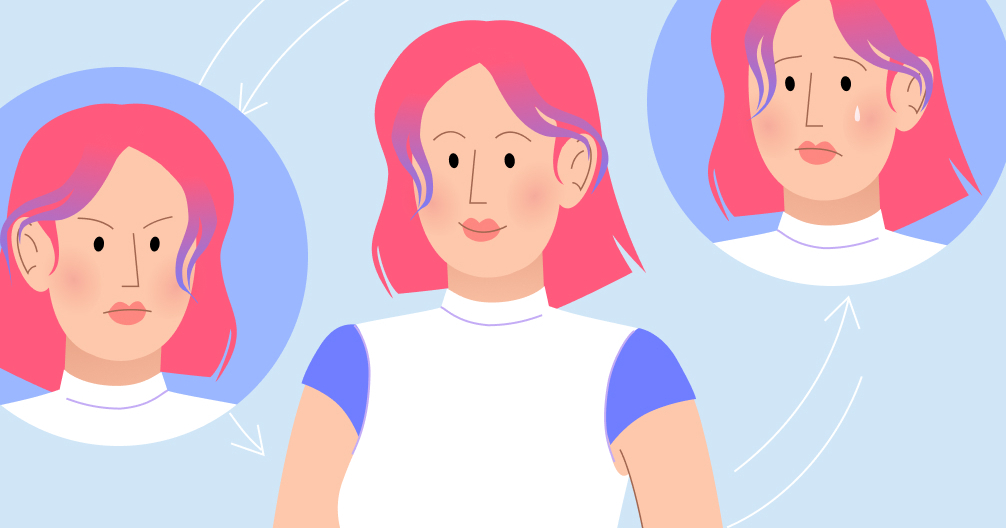
Mood swings refer to noticeable and often rapid shifts in emotional state, such as moving from calm to irritable, hopeful to low, or emotionally steady to overwhelmed. They are common, human experiences and occur across all ages and life stages.
However, growing clinical and public-health evidence suggests that mood swings are not always just “normal ups and downs” — particularly when they are frequent, intense, or begin to interfere with daily functioning (WHO, 2021).
Understanding mood swings matters today more than ever, as emotional instability is increasingly shaped by biological vulnerability, rapid social change, lifestyle disruption, and sustained psychological stress.
How Common Are Mood Swings?
Research consistently demonstrates that emotional symptoms appear early and peak during adolescence and early adulthood, even though large population studies frequently evaluate anxiety or depression rather than mood swings alone (Patel et al., 2007).
According to research conducted in Indian schools and communities, 20–30% of teenagers report having serious emotional or mood-related issues, such as irritability, depression, and emotional reactivity (NIMHANS, 2016; George et al., 2018).
Mid-to-late adolescence (ages 15 to 18) is when mood-related symptoms typically first appear, and they frequently persist throughout early adulthood, particularly in the face of stress from relationships, work, and school.
Although early emotional dysregulation frequently occurs years before diagnosable illnesses, the average age of start for mood disorders worldwide is around 30 years (Kessler et al., 2007).
This positions mood swings as an early signal of emotional strain, rather than a trivial or passing experience.
Causes of Mood Swings
Mood swings rarely have a single cause. Clinically, they tend to arise from an interaction of biological, psychological, and environmental factors.
Common Causes Across All Genders
- Chronic stress and prolonged pressure
- Sleep deprivation or irregular sleep–wake cycles
- Poor nutrition or fluctuating blood sugar levels
- Alcohol, nicotine, or other substance use
- Certain medications
- Ongoing emotional strain or unresolved stress
In many cases, mood swings reflect an overloaded nervous system, rather than emotional weakness or poor coping (McEwen & McEwen, 2017).
Causes of Mood Swings in Females
Across cultures, females report higher rates of mood-related symptoms, particularly after puberty (WHO, 2021). Hormonal fluctuations play a significant role.
Key Female-Specific Factors
- Premenstrual changes (PMS / PMDD): mood swings, irritability, anxiety, and low mood are common
- Pregnancy and postpartum period: rapid hormonal shifts can significantly influence emotional stability
- Perimenopause and menopause: fluctuating estrogen levels are associated with increased emotional sensitivity
These mood changes are biologically mediated and should not be misinterpreted as poor emotional control or instability (Soares & Zitek, 2008).
Mood Swings in Adolescence and Young Adults
Adolescence represents a critical period of emotional development:
- Brain regions involved in emotional intensity mature earlier than those responsible for regulation
- Academic pressure, peer relationships, identity formation, and digital exposure intensify emotional responses
Indian data indicate that emotional symptoms — including irritability, mood shifts, and emotional overwhelm — are particularly common among urban adolescents and college-going youth, with rising trends noted in the post-2020 period (NIMHANS, 2016; WHO, 2021).
Why Mood Swings Are Especially Relevant Today
Several modern factors amplify emotional variability:
- Increased screen time and social comparison
- Disrupted sleep–wake rhythms
- Performance pressure and uncertainty
- Reduced emotional downtime
- Lingering psychological effects of the COVID-19 pandemic
Lingering psychological effects of the COVID-19 pandemic:
Prolonged exposure to uncertainty, repeated losses, social isolation, and disrupted daily structure during the pandemic led to chronic stress activation. This sustained stress weakened emotional regulation capacity, reduced distress tolerance, and increased reactivity, resulting in more frequent and intense mood swings even after restrictions ended. b
In this context, mood swings are not merely personal experiences — they function as social and public-health indicators of emotional strain.
When unaddressed, they may contribute to:
- Relationship conflicts
- Academic or occupational impairment
- Increased impulsivity
- Emotional exhaustion and burnout
Natural and Psychological Ways to Manage Mood Swings
Most mood swings do not require medication. Simple, evidence-based strategies are often effective.
- Stabilise the Body First
- Regular sleep
- Consistent meals
- Adequate hydration
- Reduced alcohol and nicotine use
Physiological regulation directly supports emotional stability (Walker, 2017).
- Notice Without Reacting
Clinically, pausing to identify and label emotions reduces their intensity and prevents impulsive reactions (Lieberman et al., 2007).
- Allow Emotions to Pass
Acceptance-based approaches emphasise that emotions are temporary internal experiences, not permanent states or identities. Efforts to suppress emotions often intensify them (Hayes et al., 2016).
- Respond, Don’t React
Skills-based approaches encourage responding in line with long-term well-being rather than reacting during emotional peaks.
When to Seek Professional Help
Mood swings warrant professional attention if they:
- Are frequent, intense, or unpredictable
- Persist for several days or weeks
- Interfere with work, studies, or relationships
- Lead to impulsive or risky behaviour
- Are accompanied by hopelessness or self-harm thoughts
Early psychological support can prevent escalation into more persistent emotional difficulties.
Final Takeaway
Mood swings are common — but they are not meaningless. They reflect how the brain, body, and environment interact, particularly during periods of stress, hormonal change, or emotional overload.
In today’s fast-paced world, understanding and addressing mood swings is not indulgent.
It is essential for emotional health, resilience, and long-term well-being.